Sunny, Solo Piano
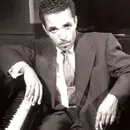
Discover how to create an expressive solo jazz piano performance of Bobby Hebb's "Sunny" with Dr. Bob Lawrence of Jazz Piano Skills.
In this solo piano development lesson, Dr. Lawrence explores Stage One of his seven-stage approach: harmony and melody played rubato. Learn how simple chord voicings, selective melody harmonization, keyboard register, timing, and musical space shape a complete performance.
Through three lead sheet interpretations and a final solo piano demonstration, discover why beautiful music depends less on the number of skills you possess and more on the musical decisions you make.
Discover • Learn • Play

 Apple Podcasts

 Spotify

 iHeartRadio

 Audible

 Amazon Music

 Pandora

 Overcast

 PocketCasts

 TuneIn

 RSS Feed
Key Takeaways
- Stage One of solo piano development combines harmony and melody played rubato to create a complete musical performance.
- A single-note melody supported by simple chord voicings can produce beautiful and expressive solo jazz piano music.
- Each of the seven stages of solo piano development represents a legitimate musical approach rather than merely a step toward greater complexity.
- Musical skills developed in later stages can be incorporated into Stage One without abandoning the rubato approach.
- The quantity of skills available does not determine the quality of the musical decisions made.
- Musical growth involves developing the judgment to decide what should be played, not simply learning additional techniques.
- Rubato allows pianists to shape musical phrases through expressive timing, note duration, and intentional musical space.
- Traditional block voicings provide a practical foundation for supporting a single-note melody in solo piano performance.
- Root-and-seventh shapes, root-and-fifth structures, and shell voicings create additional harmonic possibilities.
- Selectively harmonizing melody notes can enrich a solo piano performance without requiring elaborate arrangements.
- Changing keyboard register influences the character, color, and balance of melody and harmony.
- George Shearing-associated harmonized melodies and Red Garland-associated octave treatments offer contrasting solo piano textures.
- Sound and silence are equally important musical resources when creating expressive solo piano interpretations.
- Recording, listening, evaluating, and adjusting one musical detail at a time develops musical judgment.
- Three different lead sheet interpretations can be combined into one cohesive rubato performance of Sunny.
- Making beautiful music with the skills you possess today is part of how you become a better pianist.
Sunny — Solo Piano Development
Sunny, Solo Piano. When does a melody supported by simple chord voicings become a complete solo piano performance?
And why do some performances sound beautifully expressive while others sound like exercises, even when every note and chord is correct?
In this Jazz Piano Skills episode, Dr. Bob Lawrence concludes the October study of Bobby Hebb's Sunny by exploring Stage One of his seven-stage solo piano development process: harmony and melody played rubato.
Building upon the harmonic analysis, melodic analysis, and improvisation development lessons from the previous three weeks, Dr. Lawrence demonstrates how thoughtful musical decisions can transform familiar musical material into a complete solo jazz piano interpretation.
The central lesson is simple but profound:
The quantity of skills available does not determine the quality of the musical decisions made.
What You'll Discover
-
Why solo piano playing is accessible at every skill level
-
How a single-note melody and simple harmony can create a complete solo piano performance
-
What Stage One of the seven-stage solo piano development process involves
-
Why all seven stages are legitimate approaches to solo piano playing
-
How skills developed in later stages can enrich a Stage One performance
-
How rubato creates expressive freedom in solo piano interpretation
-
Why musical decisions matter more than musical complexity
-
How traditional block voicings and shell voicings support the melody
-
How selectively harmonizing melody notes changes musical texture
-
How the lower, middle, and upper registers influence musical character
-
How George Shearing- and Red Garland-associated voicing approaches provide additional musical possibilities
-
Why sound, silence, and musical space are essential to expressive playing
-
How recording and evaluating your performances develops musical judgment
-
How three lead sheet interpretations can be combined into a complete solo piano treatment
When Is Solo Piano Really Solo Piano?
When musicians imagine solo jazz piano, they often picture sophisticated voicings, moving bass lines, stride patterns, harmonic substitutions, and elaborate arrangements.
But how much of that musical activity is actually necessary?
Dr. Lawrence explains that a complete solo piano performance can begin with just two elements:
Melody and harmony.
A single-note melody supported by appropriate chord voicings, performed freely and expressively, is a legitimate solo piano interpretation.
There is no requirement to harmonize every melody note, create an elaborate bass line, or demonstrate advanced techniques.
The musical objective is not complexity.
It is expression.
Stage One — Harmony and Melody Played Rubato
The lesson focuses entirely on Stage One of the Jazz Piano Skills seven-stage solo piano development process.
Stage One combines a melody with harmonic accompaniment, performed rubato.
Rubato allows the pianist to shape musical phrases with expressive timing rather than maintaining a strict rhythmic pulse.
Dr. Lawrence emphasizes that Stage One is not merely an introductory exercise that students must eventually abandon.
It is a complete approach to solo piano performance.
In fact, all seven stages represent legitimate musical approaches.
As pianists develop additional skills, they can return to Stage One and incorporate selected techniques without abandoning its essential character.
The Seven Stages Work in Both Directions
Solo piano development is not simply a journey from basic playing to increasingly complicated arrangements.
Dr. Lawrence describes the seven stages as a two-way street.
As students develop skills involving melody harmonization, chord voicings, accompaniment patterns, harmonic movement, and improvisation, those skills become additional creative options.
A pianist might introduce a new voicing, harmonize a selected melody note, change keyboard register, or embellish a phrase.
Yet the performance can remain entirely within Stage One: harmony and melody played rubato.
The important question is not whether a technique is available.
It is whether that technique improves the music.
Musical Decisions Versus Musical Complexity
One of the most important principles in this episode is the distinction between possessing musical skills and making effective musical decisions.
A pianist may know numerous chord voicings, harmonic substitutions, and melodic treatments.
But knowing those possibilities does not mean every possibility should be used.
Each musical moment requires judgment.
Which voicing best supports the melody?
Should the harmony sound in the lower or upper register?
Would a melody note benefit from additional harmonization?
Should a chord continue ringing?
Would silence communicate more effectively than another musical idea?
Dr. Lawrence encourages students to develop the ability to listen, evaluate, and choose.
Musical growth is not simply learning what else you can play. It is developing the judgment to decide what you should play.
The Question of the Week — Turning an Exercise Into Music
This week's listener question comes from Bennett James in Bristol, England.
Bennett explains that he can play the melody and chords of a tune correctly, yet his performance still sounds more like an exercise than complete music.
He asks how to create a convincing solo piano performance without introducing complicated techniques.
Dr. Lawrence explains that the solution often has less to do with adding notes and more to do with changing how the existing notes are performed.
Important considerations include:
-
The timing and placement of melodic phrases
-
The duration of sustained notes and chords
-
The balance between sound and silence
-
The relationship between melody and harmonic accompaniment
-
The expressive emphasis given to individual musical ideas
Rather than immediately introducing additional complexity, students should first explore the expressive possibilities already available.
Play, Record, Listen, Adjust
Dr. Lawrence recommends a practical four-step process for developing musical expression:
Play. Record. Listen. Adjust.
Begin by recording one phrase of Sunny using simple melody and harmonic support.
Listen to the recording without playing along.
Does the melody sound like a complete musical thought?
Do the notes and chords have time to resonate?
Does the phrase breathe naturally?
Is the silence intentional?
Then return to the piano and change just one musical detail.
Perhaps extend a melody note, release a chord sooner, or allow more time before beginning the next phrase.
Record the phrase again and compare.
This process helps students connect their musical intentions with what they actually hear in their performances.
The Foundation — Melody and Block Chords
At the piano, Dr. Lawrence begins with the simplest Stage One interpretation of Sunny.
The right hand performs a single-note melody while the left hand provides traditional block chord accompaniment.
The performance is played rubato, allowing expressive freedom in the timing and placement of the musical phrases.
Dr. Lawrence emphasizes that this approach is already a complete solo piano performance.
Students can spend considerable time exploring musical expression through simple melody, block voicings, and thoughtful timing.
Lead Sheet One — Opening the Voicings
The first lead sheet introduces a more spacious harmonic texture.
Dr. Lawrence explores root-and-seventh shapes, root-and-fifth structures, traditional shell voicings, and selective melody harmonization.
The harmonic material is distributed more broadly across the keyboard.
The result is a fuller musical sound while maintaining a primarily single-note melodic approach.
The underlying chord changes remain the same.
The essential Stage One approach also remains unchanged.
Students discover how relatively small voicing decisions can significantly influence the character of a solo piano interpretation.
Lead Sheet Two — Fuller Harmonization
The second lead sheet introduces additional harmonic texture.
Dr. Lawrence demonstrates more extensively harmonized melody notes, left-hand tenths, and other expanded voicing structures.
This approach produces a fuller sound, particularly in the lower registers of the instrument.
The harmonized melodic treatment is associated with the style of George Shearing.
Although the musical texture becomes more substantial, the performance remains rubato.
Dr. Lawrence demonstrates how skills developed in other stages of solo piano playing can enrich a Stage One interpretation.
Lead Sheet Three — Octaves and Inner Voices
The third lead sheet explores a different melodic treatment.
Dr. Lawrence moves into the middle and upper registers of the piano and performs the melody in octaves, incorporating a fourth or fifth between the octave notes.
The left hand supports the melody using block voicings, traditional shell voicings, and contemporary shell voicings.
The rhythmic placement of the left-hand harmony follows the melodic rhythm.
This approach is associated with the distinctive octave-based style of Red Garland.
Students hear how changing melodic texture and keyboard register creates a different musical character without changing the fundamental Stage One concept.
Exploring Keyboard Register
One of the central demonstrations in this episode involves moving familiar musical material through different registers of the piano.
The lower register provides depth and fullness.
The middle register offers a different relationship between melody and harmony.
The upper register introduces a lighter, more delicate musical character.
Dr. Lawrence demonstrates how the same harmonic and melodic material can produce different expressive results simply through changes in keyboard placement.
These decisions help students understand that the piano's register is an important musical resource.
Bringing the Three Lead Sheets Together
The lesson concludes with a complete solo piano interpretation of Sunny.
Dr. Lawrence draws upon the three lead sheet approaches to demonstrate how different melodic treatments, harmonic voicings, and keyboard registers can be combined within one performance.
The objective is not to use every available musical technique.
It is to select musical ideas that communicate the desired expression.
Throughout the performance, the fundamental approach remains unchanged:
Harmony and melody played rubato.
Sound, Silence, and Musical Space
The episode reinforces one of the foundational principles of Jazz Piano Skills:
Music is the production of sound and silence.
Silence is not simply the absence of musical activity.
It provides an opportunity for notes to resonate, phrases to settle, and musical ideas to communicate.
Dr. Lawrence encourages students to resist the temptation to fill every moment with additional notes or chords.
Sometimes the most expressive musical decision is to allow the existing sound to continue.
Sometimes it is to wait.
The Seven Musical Facts
Dr. Lawrence reviews the Seven Musical Facts that organize the Jazz Piano Skills educational approach.
-
Music is the production of sound and silence, with major, dominant, minor, half-diminished, and diminished as the primary harmonic sounds.
-
Sound is produced harmonically and melodically.
-
Harmonic sound is expressed through chords and voicings.
-
Melodic sound is expressed through arpeggios and scales.
-
Harmony and melody both have motion, including circle, diatonic, chromatic, ascending, and descending motion.
-
Musical movement can be decorated with tension and chromaticism.
-
Rhythm gives musical life and interest to the preceding six facts.
These principles provide a framework for understanding how harmony, melody, movement, rhythm, and silence contribute to solo piano performance.
Jazz Piano Skills Podcast Packet
Jazz Piano Skills members receive supporting educational materials for this lesson.
The Podcast Packet includes three lead sheets illustrating different Stage One interpretations of Sunny.
The accompanying illustrations provide a visual overview of the musical decisions involved in each approach, including voicing choices, melodic treatments, and keyboard register.
These materials are designed to help students organize their own solo piano interpretations.
Because this lesson focuses on solo piano playing, there are no backing tracks.
The musical setting is simply the pianist and the instrument.
Developing Your Own Solo Piano Interpretation
Dr. Lawrence encourages students to begin with the musical skills they already possess.
Play the melody.
Support it with harmony.
Explore rubato.
Experiment with different voicings, keyboard registers, and melodic treatments.
Most importantly, listen carefully to the results.
Record your playing, evaluate your musical choices, and make thoughtful adjustments.
The goal is not to create a more complicated performance.
It is to create a more expressive one.
Study Jazz Piano with Dr. Bob Lawrence
Jazz Piano Skills provides structured jazz piano education through harmonic analysis, melodic analysis, improvisation development, and solo piano interpretation.
Each monthly jazz standard study helps students develop musical understanding and practical skills that transfer from one tune to another.
Visit jazzpianoskills.com to explore membership options and access the complete episode, Podcast Packet, weekly masterclasses, and additional educational resources.
Discover. Learn. Play.
Warm Regards,
Dr. Bob Lawrence
President, The Dallas School of Music
JazzPianoSkills
AMDG
Frequently Asked Questions
How do I play Sunny as a solo jazz piano arrangement?
Begin by playing Bobby Hebb's Sunny with a single-note melody in the right hand and simple chord voicings in the left hand. Use expressive rubato, allowing the melody and harmony to breathe naturally. As your skills develop, experiment with additional voicings, selective melody harmonization, and different keyboard registers.
What is Stage One of the Jazz Piano Skills solo piano development process?
Stage One involves performing harmony and melody together using rubato. A pianist plays the melody with harmonic accompaniment while shaping phrases through flexible timing and musical expression. It is a complete solo piano approach suitable for beginners and experienced musicians alike.
What is rubato in solo jazz piano playing?
Rubato is the expressive flexibility of musical time. It allows pianists to lengthen notes, adjust phrase timing, and create space between musical ideas without maintaining a strict rhythmic pulse throughout the performance.
Can beginners play complete solo jazz piano arrangements?
Yes. A complete solo piano performance can begin with a single-note melody supported by simple block chord voicings. The quality of the performance depends on thoughtful timing, harmonic support, musical phrasing, and expression rather than advanced techniques.
Why are musical decisions important in solo piano playing?
Musical decisions determine how a pianist uses available skills to communicate expression. Choosing the appropriate voicing, keyboard register, melodic treatment, timing, and amount of silence can be more important than demonstrating a large number of techniques.
How can I use block voicings in a solo piano arrangement?
Play the melody in the right hand while supporting it with traditional block chord voicings in the left hand. Explore inversions, chord duration, and rhythmic placement while allowing the melody to remain clear and expressive.
What are shell voicings, and how are they used in solo jazz piano?
Shell voicings are compact harmonic structures that emphasize important chord tones. In solo piano playing, traditional and contemporary shell voicings can provide harmonic support while leaving room for the melody and creating different musical textures.
How does melody harmonization change a solo piano performance?
Melody harmonization adds chord tones beneath or around selected melody notes, creating a fuller musical texture. Pianists can harmonize particular notes or phrases while maintaining the fundamental melody-and-harmony approach of Stage One.
How does keyboard register affect solo piano interpretation?
Playing in different registers changes the character and balance of the music. Lower registers can create depth and fullness, while middle and upper registers offer different colors and relationships between melody and harmony. Exploring these differences helps pianists make expressive musical decisions.
What is the George Shearing approach to harmonized melody?
The George Shearing-associated approach uses a fuller, harmonized melodic texture. In this lesson, Dr. Bob Lawrence demonstrates how expanded right-hand harmonization and supporting left-hand structures can enrich a rubato interpretation of Sunny.
What is the Red Garland octave approach in jazz piano?
The Red Garland-associated approach features a melody played in octaves with an additional fourth or fifth between the octave notes. Supporting left-hand voicings can follow the melodic rhythm, producing a distinctive, full-bodied jazz piano texture.
Why is silence important in solo jazz piano?
Silence allows notes and chords to resonate, gives phrases room to breathe, and helps communicate musical meaning. Intentional pauses can make a performance more expressive without introducing additional notes or complicated techniques.
How can recording myself improve my solo piano playing?
Recording allows you to listen objectively to your performance. Play a phrase, record it, listen for timing and expression, then adjust one musical detail. This process helps connect your musical intentions with the sounds you actually produce.
What educational materials accompany the Sunny solo piano lesson?
The Jazz Piano Skills Podcast Packet includes three lead sheets demonstrating different Stage One interpretations of Sunny, along with illustrations explaining musical decisions involving voicings, melodic treatments, and keyboard register. There are no backing tracks because the lesson focuses on solo piano performance.
00:00 - Introduction
02:55 - Discover, Learn & Play — Today's Objectives
05:23 - When Is Solo Piano Solo Piano?
07:50 - The Seven Stages of Solo Piano Development
10:13 - Musical Skills vs. Musical Decisions
12:42 - From Improvisation to Solo Piano
15:08 - Making Beautiful Music with the Skills You Have
17:33 - The Seven Facts of Music
20:01 - Sound, Silence & Musical Expression
22:26 - The Jazz Piano Skills Learning Approach
24:54 - Question of the Week — Musical Expression
27:08 - Play, Record, Listen & Adjust
29:36 - Preparing for the Piano Lesson
32:03 - Solo Piano Lesson — Stage One: Rubato
SUNNY — SOLO PIANO DEVELOPMENT
Jazz Piano Skills | Dr. Bob Lawrence | Editorial Transcript
WELCOME AND INTRODUCTION
[00:32.482] Welcome to Jazz Piano Skills. I'm Dr. Bob Lawrence. It's time to discover, learn, and play jazz piano. Well, here we are, the final week of our October exploration of Bobby Hebb's wonderful jazz standard, pop standard, wonderful tune, Sunny. Over the past three weeks, We have examined the harmonic foundation of Sunny. We've explored its melodic characteristics. We've developed improvisational ideas using a remarkably small amount of musical material. And today, we're going to bring it all together. We're turning our attention to solo piano development. Now, I want you to know something right from the very beginning. Today's lesson is not about how many chords you know. It's not about how many voicings you've mastered or how many impressive musical tricks you can squeeze into a performance. Today, we're going to explore something much more important. How to make beautiful musical decisions using the skills you already possess. And we're going to do it with one piano, one wonderful tune, and one of the most fundamental approaches. To solo piano playing. Now, before we get started, a quick reminder about how the weekly Jazz Piano Skills Podcast works. The first half of every episode is free for everyone. This is where I introduce our topic, explore important musical ideas, answer our question of the week, and lay the groundwork for our piano lesson. The second half of every episode is Our members-only piano lesson. That's where we move to the keyboard and put those ideas into practice with musical explanations and demonstrations. So whether you're joining us for the first half or staying around for the complete lesson, I'm delighted that you are here. Get comfy, grab your favorite beverage if you can, settle in. We have a terrific, a terrific jazz piano skills lesson ahead of us. So let's get started.
DISCOVER • LEARN • PLAY
[02:55.382] Okay, so in today's lesson, we're going to discover that solo piano playing is not something reserved for advanced pianists. In fact, we're going to discover that a beautiful, complete solo piano performance is possible with a single-note melody, simple harmonic support, and thoughtful musical decisions. We're also going to discover that the seven stages of solo piano development that I typically discuss are not simply a progression toward greater complexity. Each stage is a legitimate approach to solo piano playing, and each stage can grow musically as our skills develop. We're going to learn how to approach Bobby Hebb's Sunny using stage one of our solo piano development process. harmony and melody played rubato. And then we're going to learn how the musical skills we develop in other stages can become creative options within stage one and how decisions about voicings, harmonization, keyboard register, and musical space influence the character and beauty of our performance. And finally, we're going to play Sunny as a complete Solo piano performance. We'll begin with the essentials, single-note melody supported by harmony, and then explore how carefully selected musical skills can enrich our performance without changing our fundamental stage one approach. Most importantly, we're we're going to practice making musical decisions based on what the music needs rather than rather than how many skills we can demonstrate. Because remember the Quantity of skills available does not determine the quality of the musical decisions made. So it makes no difference where you are in your jazz journey today, whether you're a beginner, an intermediate player, advanced player, or even if you're a seasoned professional. You're gonna find today's jazz piano skills lesson using Bobby Hebb's Sunny to develop our solo piano skills to be incredibly beneficial. All right.
WHEN IS SOLO PIANO SOLO PIANO?
[05:23.886] To get started, let me ask you a question. When is solo piano solo piano? Now, I know that sounds like a very unusual question. After all, if you're sitting at the piano playing by yourself without a bass player, without a drummer, without another musician accompanying you, well, isn't that solo piano? Well, of course it is. But here's where things get Interesting. When we talk about solo piano playing, especially in jazz, we tend to imagine something rather sophisticated. We imagine a pianist playing beautiful chord voicings, harmonizing melodies, creating interesting bass lines, introducing harmonic substitutions, embellishing phrases and improvising with endless musical possibilities. And You know what, there's nothing wrong with that picture. In fact, it's wonderful. But I want you to consider something. How much of that musical activity is actually required for a performance to qualify as solo piano? Do we need stride piano? Do we need sophisticated harmonic substitutions? Do we need to harmonize every melody note? Do we need an elaborate arrangement filled with impressive musical ideas? I say no to all that. So what's what's the least amount of musical material we need to make Sunny sound like Sunny when we're playing completely alone? Well, how about this? We need a melody and we need some harmony. That's it. A single-note melody supported by appropriate chord voicings, played freely, expressively, without the obligation of maintaining a strict rhythmic pulse. That's it. It's what we call rubato. And that is stage one of the seven stages of solo piano development that I'm always discussing. Now
[07:50.99] I want to make something very clear. Stage one is not a preliminary exercise that we must somehow graduate from before we're allowed to call ourselves solo pianist. Stage one is solo piano, a complete, legitimate, musically satisfying approach to playing the piano all by ourselves. And here's something else I want you to understand. So are the Other six stages. Every one of the seven stages that I speak about represents a legitimate approach to solo piano performance. We're not climbing a ladder where solo piano magically begins when we reach the seventh rung, right? We're exploring different ways of organizing and expressing music at the piano. And as our musical skills develop, something fascinating happens. We begin to realize that these seven stages are not simply a one-way street. In fact, they're a two-way street. And let me explain. As we study the various stages of solo piano development, we acquire additional musical skills. We learn to harmonize melodies. We learn different approaches to accompaniment. We develop greater command of harmonic motion, greater command of melodic embellishment, rhythmic expression, and of course improvisation. All of it. Wonderful. But here's the question: What happens to stage one as we develop all those additional skills? Does stage one become obsolete? Do we abandon it because we've supposedly moved on to something more advanced? Absolutely not. We bring those newly developed skills back into stage one. We might harmonize a particular melodic note. We might introduce a beautiful harmonic movement. We might move a voice into a different register of the piano. We might
[10:13.578] embellish a phrase or introduce additional musical texture. And we can do all of that while maintaining our fundamental stage one approach. Harmony and melody played rubato. You see, stage one is the musical approach. Our developed skills provide additional musical Options. And here's where we arrive at the most important part of today's discussion. Just because we have additional musical options doesn't mean we should use them. Think about that for a moment. You might know ten different ways to harmonize a melody note. Wonderful. But which one should you use? You might know several different chord voicings for a particular harmony. That's terrific, but which voicing belongs in this musical moment? And even after choosing a voicing, you have another decision to make. Where should you play it? Lower register of the piano? Upper register of the piano? In the middle? Each choice produces a different musical effect. Each choice changes the relationship between the melody and the harmony. Each choice influences the character, the color, the expression of your performance. And sometimes the most beautiful musical decision is to leave everything exactly as is, to play the single-note melody, to support it with a simple chord. To let the music breathe. See, that's music. And that brings us to something we spent a great deal of time discussing in last week's episode. Musical decisions. Remember our improvisation development lesson? One third, one measure, one melodic idea. We deliberately limited our musical material so we could concentrate on creating.
[12:42.178] We could concentrate on listening. We could concentrate on evaluating and refining our musical decisions. We practiced making a musical statement followed by an intentional measure of silence. I called it REST AND ASSESS. Why? Because we wanted to develop something far more important than the ability to accumulate melodic patterns. We wanted to develop the ability to think musically. And today we're taking that exact same educational principle and applying it to solo piano playing. Last week we practiced making musical decisions within one measure. This week we're going to practice making musical decisions within an entire solo piano performance. And I want you to remember something as we work through today's lesson. Again, I mentioned it earlier. The quantity of skills available does not determine the quality of the musical decisions made. Let me say it again for the third time. The quantity of skills available does not determine the quality of your musical decisions. That statement is. so important for the developing jazz pianist because it's very easy to listen to an accomplished pianist and conclude that the reason they're playing sounds so beautiful is simply because they know so much more than we do. And yes, accomplished pianists have typically developed an extensive collection of musical skills. But the beauty of their performance is not determined simply by how many of those skills they possess. It's determined in large part by the musical decisions they make with those skills. And the wonderful news is that you don't have to wait until you've developed an enormous musical vocabulary to begin practicing that kind of musical judgment. You can begin today with the chords you know, with the voicings you know, with the melody you know.
[15:08.578] With the skills you already possess, because musical growth isn't simply learning what else you can play. I'm gonna say that again, too, because musical growth isn't simply learning what else you can play. It's developing the judgment to decide what you should play. And that judgment is developed through practice, through listening, through evaluating our choices, and through the willingness to try something. Different. Sometimes we add something, sometimes we take something away. Sometimes we discover that the simplest musical idea was the most effective choice all along. And I want you to hear this very, very clearly. Don't confuse the skills you haven't developed with the music you're incapable of making. Those are two entirely different things. Developing additional skills is important, of course. That's why we study. That's why we practice. That's why we continue exploring this magnificent musical language we call jazz. But developing those skills and making beautiful music are not activities that must occur one after the other. We develop our musical skills while learning to make beautiful music. So today, as we explore Bobby Hebb's Sunny, we're going to remain focused on stage one: Harmony and Melody, Rubato. We're going to begin with the essentials and discover just how beautiful a simple solo piano performance can be. And then as we explore additional musical possibilities. We're going to ask ourselves a very important question. Does this musical decision make the performance more effective, or does it simply make the performance more complicated? Because those are not necessarily the same thing. And when we're finished today, when we're done with this lesson, I hope you'll recognize something that can fundamentally change the way you approach your jazz piano studies. You don't have to wait until you're a
THE SEVEN FACTS OF MUSIC
[17:33.944] Better pianist to begin making beautiful music. Making beautiful music with the skills you have today is how you become a better pianist. And that is what today's jazz piano skills lesson is all about. Alright, so before we go any further, let's take a moment, as we always do, to review the seven facts of music that serve as the foundation for. every jazz piano skills lesson. Now again, these are not my opinions. These are not theories. They are musical truths that help us understand and organize everything we study and play. All right? So here we go. Fact number one: music is the production of sound and silence. And when I'm speak of sound, I'm talking about our primary sounds of music, right? Major. Dominant, minor, half diminished, diminished. Fact number two, sound is produced two ways, harmonically and melodically. Fact number three, when producing sound harmonically, we're playing chords, or what we often refer to as voicings. Fact number four, when producing sound melodically, we're playing arpeggios. And we're playing scales. Fact number five, harmony and melody both have motion. Circle motion, diatonic motion, chromatic motion, ascending and descending motion. Fact number six, that motion, that movement is decorated with tension or what we call chromatism. And then finally, fact number seven. To make facts one through six interesting, to give facts one through six life, we add rhythm. Now, think about how directly these seven facts connect to today's study of solo piano. We have harmony, we have melody, we have movement, we have opportunities to introduce tension. And even when we play rubato, we still have some rhythm.
SOUND, SILENCE, AND MUSICAL SPACE
[20:01.41] The timing, duration, and placement of our musical ideas, right? And let's not overlook the other half of fact number one: silence. We don't have to fill every moment, which is hard for us pianists, we want to do that. We don't have to fill every moment. You know what? Sometimes allowing a chord to just simply ring, allowing a melody note to breathe, allow, allow, allowing a phrase to settle, right? This is some of these are some of the most beautiful musical decisions that we can make. So as we explore Sunny today, keep these seven facts in mind, as always. They'll help us stay focused on the musical essentials, and they'll help us make thoughtful decisions with the skills that we already possess. All right, before we go any further, I want to take a moment to welcome all of you who may be listening to Jazz Piano Skills for the very first time. If that's you, welcome. I'm delighted that you are here. Jazz Piano Skills is an educational program designed to help you develop the essential skills needed to become a confident and accomplished jazz pianist. And everything we do here centers around three words. Discover, learn, and play. Each month, now each month we use a single jazz standard as our musical laboratory while exploring four essential areas of jazz piano development. Week one, we always take a look at harmony, week two, melody, week three, rhythm and improvisation, and week four solo piano. This month, our musical laboratory is Bobby Hebb's wonderful tune Sunny. And today we're bringing our study together by exploring how to create a beautiful solo piano performance using harmony, melody, and of course, thoughtful musical decisions. Now, if you are joining us for the first time, please don't feel as though you have to catch up before you can begin. You can actually just start right here. Listen, explore, and work with the musical skills you currently.
WELCOME TO NEW LISTENERS
[22:26.072] possess. Now as you spend more time with jazz piano skills, you'll hear me return to an important idea. The tunes change, but the skills remain. You know, that's so important because we're all about developing musical understanding and practical skills that you can actually carry into every tune that you play. So if you are looking for something much more than random content from a content creator, If you're looking for a structured educational program with a clear path, connected lessons and personal support, then you know what? I can I encourage you to consider jazz piano skills. Each month our lessons build upon one another to help us develop lasting musical understanding and practical skills that we can use every time we sit down at the piano. If you'd like to explore today's material more deeply, then I encourage you to. Visit jazzpianoskills.com. There you can discover the benefits of membership, including our podcast packets, the weekly masterclasses, our online community, and of course, personal support. So whether you're listening in your car, enjoying a walk, or sitting at the keyboard, thank you, thank you for spending a part of your day with me, with us. I'm happy that you're here, and I look forward to helping you discover, learn, and play jazz piano. All right, let's move on to the question of the week. And this week's question comes from Bennett James, living in Bristol, England. And Bennett writes, Dr. Bob, I can play the melody and chords of a tune correctly, but it still sounds more like an exercise than a complete solo piano performance. I always feel like something is missing. So common, right? I always feel like something is missing. How do I turn the melody and chords into music that sounds complete without having to add a lot of complicated techniques? Well, Bennett, your question is perfect. Perfect timing. You know what? When you're playing sounds like an exercise, because that's what I'm picking up from your question. When you're playing sounds like an exercise,
QUESTION OF THE WEEK — BENNETT JAMES
[24:54.016] Here's what everyone's first instinct is. The first instinct always is maybe I need bigger voicings. You know what? Maybe I need to add a moving bass line. I know what I'll do. I'll harmonize more melody notes. It's always about adding more. But in my teaching experience, the harmony and melody are almost Never, and I mean never the problem. The musical information is already there. Typically, what needs attention is timing, the balance between sound and silence. giving attention to how every note is played. Is it is every note receiving the same emphasis? Is every chord arriving with the same predictable placement? That happens all the time? Are you rushing, this happens all the time too, into the next phrase before the previous one has even had a chance to settle? Right? Again, you can have all the correct musical information and still deliver it without expression. This is, I hear this all the time, and this is I think what you're getting at, Bennett. All the correct information without expression, though. And you know what? Adding more information won't automatically improve the delivery. So, you know, think about speaking. You know, you can read every word of a sentence correctly and still fail to communicate its meaning. But emphasize an important word, pause at the right moment, allow your voice to rise, allow your voice to settle, then those same words suddenly come to life. The words haven't changed. The delivery has. So Bennett, I think this is the issue, right? So here's what I want you to try. I want you to take.
[27:08.95] One phrase of Sunny, and I want I want you to play it using the melody and simple harmonic support. And then I want you to record yourself. This is so important because while you're playing, you're in the heat of the battle. You're you're busy producing the music. You're finding notes, coordinating your hands, thinking about what comes next. Right? So recording yourself allows you to step away from those demands and truly, truly hear what you are playing. Once you have the recording, I want you to play the recording back without playing along. Just listen. Does the melody sound like a musical thought or does it sound like a sequence of individual notes? Do your sounds have time to ring? Do your phrases have room to breathe? Does the silence feel intentional? Or are you hurrying to fill it? These are really important questions. Then record, once you answer those questions, then record the same phrase again, changing, just change one thing. Perhaps allow a melody note to linger longer than you did in the first recording. Perhaps maybe release a chord sooner and listen to the silence that follows. Perhaps wait a little longer before beginning the next phrase. Record it again, listen back, and compare. Which version communicates the phrase more effectively? Which version communicates what you are wanting to hear? You know, that process, play, record, listen. Adjust is how you begin connecting what you intend to play with what you actually play. So before you add another note, before you add another chord, before you add another technique, I want you to explore, seriously explore the timing and the space of what you already have.
[29:36.128] Allow a sound to speak, allow a sound to ring, allow a phrase to breathe, allow silence so hard, allow silence to become part of your performance. Right? Record it, listen. That's where those familiar chords and melody notes begin to sound like music instead. of an exercise. And you know what? That's exactly what we're going to be exploring today with Sunny. So again, Bennett, thank you for your question. It comes at the perfect time. It absolutely captures what we are addressing today. Okay, so now Jazz Piano Skills members, let's get your materials ready for today's piano lesson. So log into your Jazz Piano Skills account and download the podcast packets for today. Right, Bobby Hebb Sunny. So your illustration packet, your lead sheet packet are available as usual. Have them open in your hands as you listen so you can follow along with everything that we are going to explore today at the keyboard. And you'll notice you'll notice there are no it's not a play-along packet today. And there's a very good reason for that because we're studying solo piano. So no backing tracks. Today Is just us and the piano exploring how harmony, melody, timing, space come together to create a complete musical performance. And as always, keep this material on your piano as you practice throughout the week. That's how today's lesson is going to become part of your playing. Now, if you are not a jazz piano skills member yet, I want To sincerely thank you for spending time with me today. I hope our discussion has encouraged you to sit down at the piano and explore how much music you can make with the skills that you already possess. Now, in just a moment, we'll begin the members-only piano lesson where we are going to put those ideas that we've been discussing into practice using, of course, Bobby Hebb's Sunny. If you'd like to join us for the complete lesson, again, I invite you to visit Jazz Piano Skills.
MEMBERS’ PIANO LESSON — STAGE ONE
[32:03.746] dot com and discover the benefits of membership. I'd love to have you join us. For now, thank you again for listening. Enjoy your time at the piano this week and most of all have fun as you discover, learn, and play jazz piano.